Evidence guideReviewed September 2026

10 Foods That May Help Lower LDL Cholesterol

Simple foods with real research behind them — plus what studies suggest they may actually do.

Results vary by person, dose, starting cholesterol, diet and other lifestyle factors. These figures summarize results from published studies and should not be interpreted as a guaranteed individual result.

As an Amazon Associate I earn from qualifying purchases.

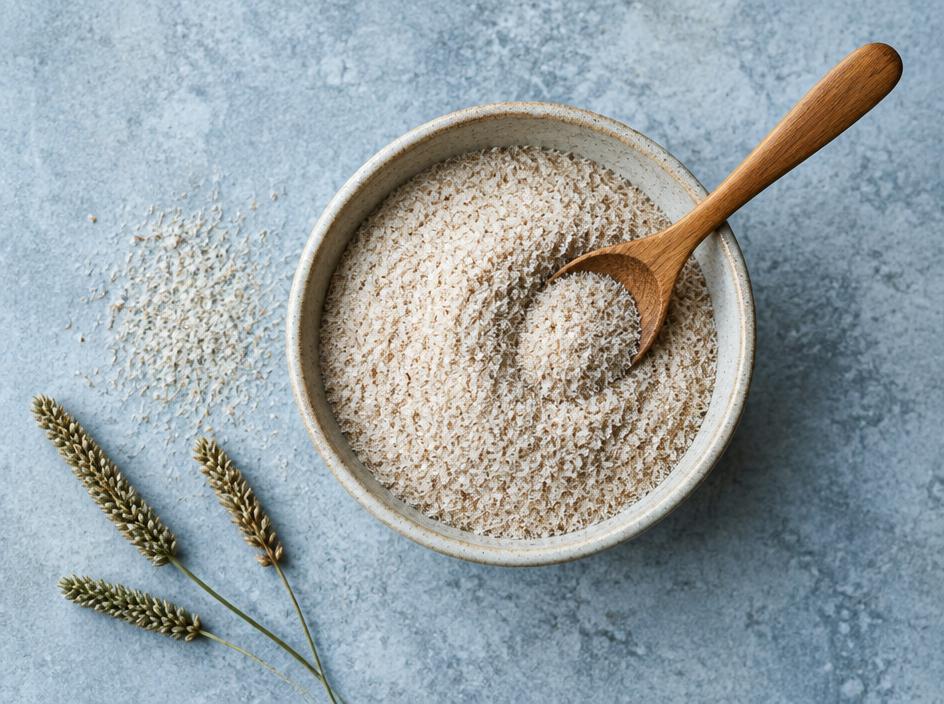
Plain psyllium husk fiber in a ceramic bowl
#1
Concentrated soluble fiber

Psyllium fiber

Why it may help

Psyllium forms a gel in the digestive tract that can reduce cholesterol absorption.

Average LDL change in a recent meta-analysis

~8.6 mg/dL lower

The analysis included randomized trials with more than 2,000 participants. Individual results vary.

Easy way to use it

Consider making psyllium the single focus of a future soluble-fiber experiment. Discuss supplements with a qualified healthcare professional.

See the Evidence+

What studies found

A meta-analysis of controlled trials found a modest average reduction in LDL cholesterol.

Studied amount

Approximately 7–15 g/day in trials; this is study context, not personalized dosing advice

Typical duration

At least 3 weeks; many trials lasted 4–8 weeks

Evidence quality

Moderate–high

Source

Effect of psyllium fiber on LDL cholesterol and alternative lipid targets

Systematic review and meta-analysis of randomized controlled trials · Reviewed 2026-09-23

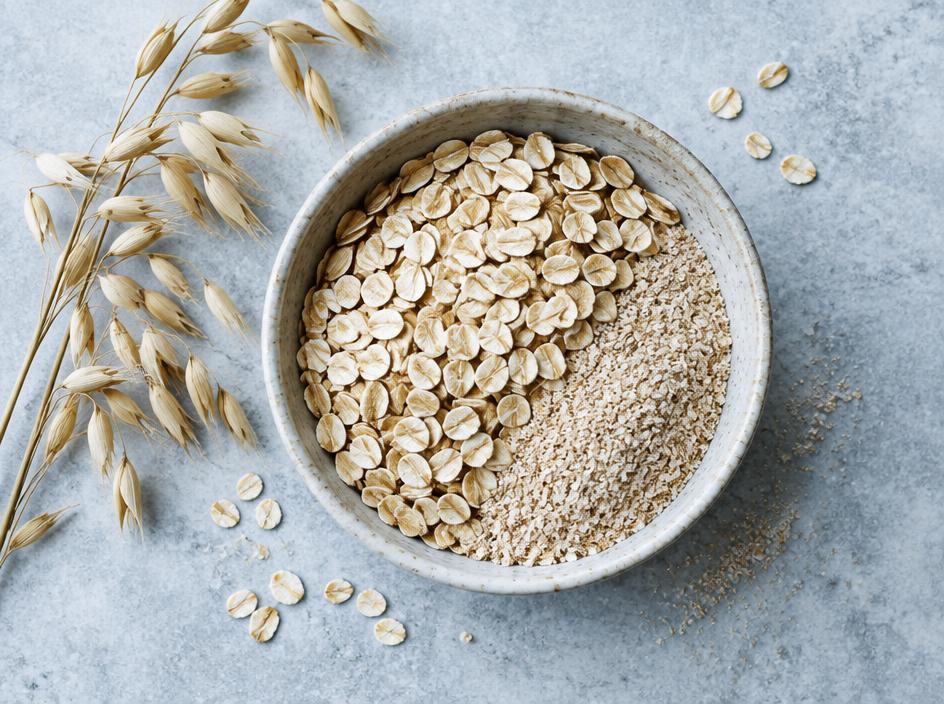
Old-fashioned rolled oats and oat bran
#2
Oat beta-glucan

Oats & oatmeal

Why it may help

Oats contain beta-glucan, a soluble fiber repeatedly studied for LDL reduction.

Average LDL change in studies

~10 mg/dL lower

The average change was about 0.25 mmol/L in trials using at least roughly 3 g/day of oat beta-glucan.

Easy way to use it

Choose old-fashioned oats or oat bran and keep the rest of your current experiment consistent.

See the Evidence+

What studies found

Across 28 randomized trials, at least 3 g/day of oat beta-glucan lowered LDL cholesterol on average.

Studied amount

At least approximately 3 g/day oat beta-glucan

Typical duration

Usually 4–8 weeks

Evidence quality

High

Source

Cholesterol-lowering effects of oat β-glucan: a meta-analysis of randomized controlled trials

Systematic review and meta-analysis of randomized controlled trials · Reviewed 2026-09-23

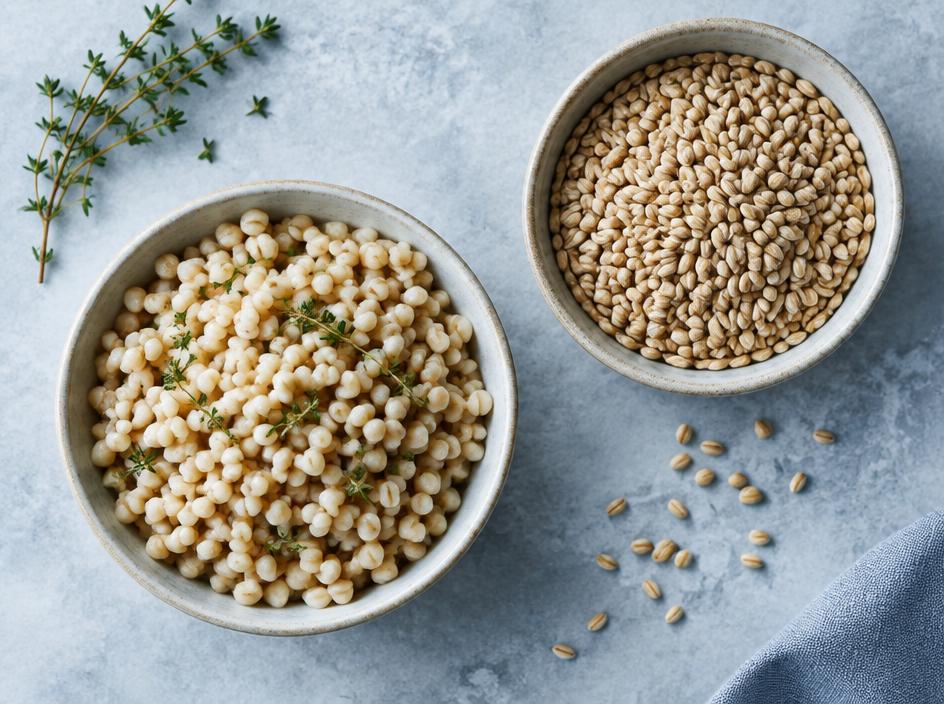
Cooked and dry whole-grain barley
#3
Barley beta-glucan

Barley

Why it may help

Barley is another rich source of beta-glucan soluble fiber.

Typical effect seen in research

Modest LDL reduction

Meta-analyses support a cholesterol benefit, though results vary by the food form and beta-glucan intake.

Easy way to use it

Try whole-grain barley in soups or use barley flakes as a hot cereal.

See the Evidence+

What studies found

Randomized trials suggest barley beta-glucan modestly reduces LDL cholesterol.

Studied amount

Approximately 6.5–7 g/day barley beta-glucan in pooled research

Typical duration

Median about 4 weeks

Evidence quality

Moderate

Source

The effect of barley beta-glucan on LDL-cholesterol, non-HDL-cholesterol and apoB

Systematic review and meta-analysis of randomized controlled trials · Reviewed 2026-09-23

Shop Barley on Amazon

Affiliate link

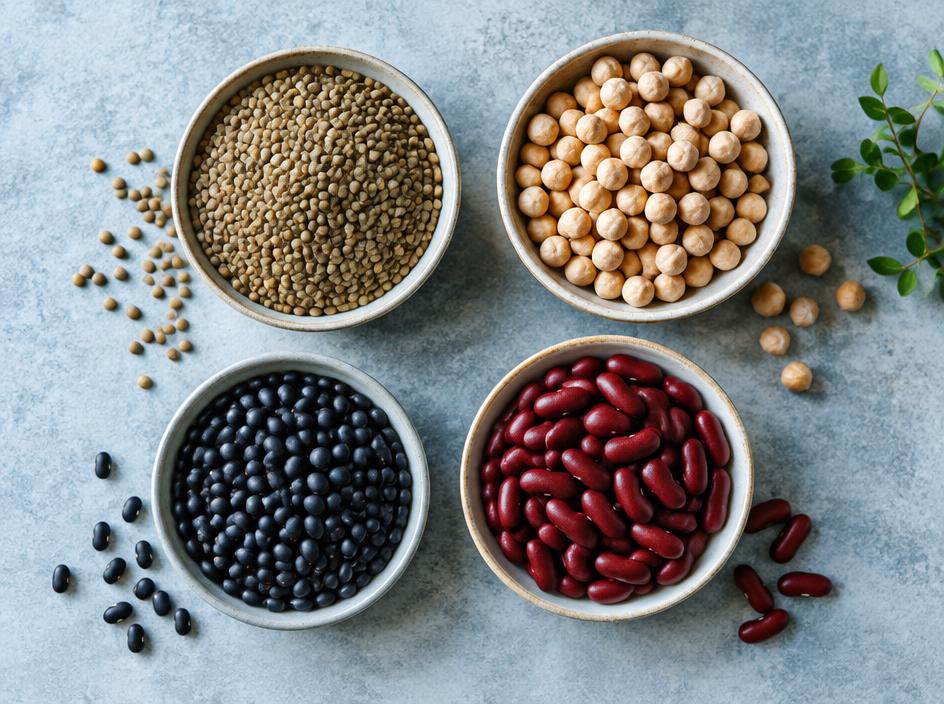
Lentils, chickpeas, black beans and kidney beans
#4
Soluble fiber + plant protein

Beans & lentils

Why it may help

Legumes provide soluble fiber and can replace foods higher in saturated fat.

Typical effect seen in research

Modest LDL reduction

Research supports regular pulse intake as part of a cholesterol-friendly dietary pattern.

Easy way to use it

Add lentils to soup, use beans in tacos, or replace part of the meat in a familiar meal.

See the Evidence+

What studies found

Meta-analyses of randomized trials find modest LDL improvements when non-soy legumes are eaten regularly.

Studied amount

Often about 130 g/day of cooked pulses in trials

Typical duration

Median about 6 weeks

Evidence quality

Moderate

Source

Effect of dietary pulse intake on established therapeutic lipid targets

Systematic review and meta-analysis of randomized controlled trials · Reviewed 2026-09-23

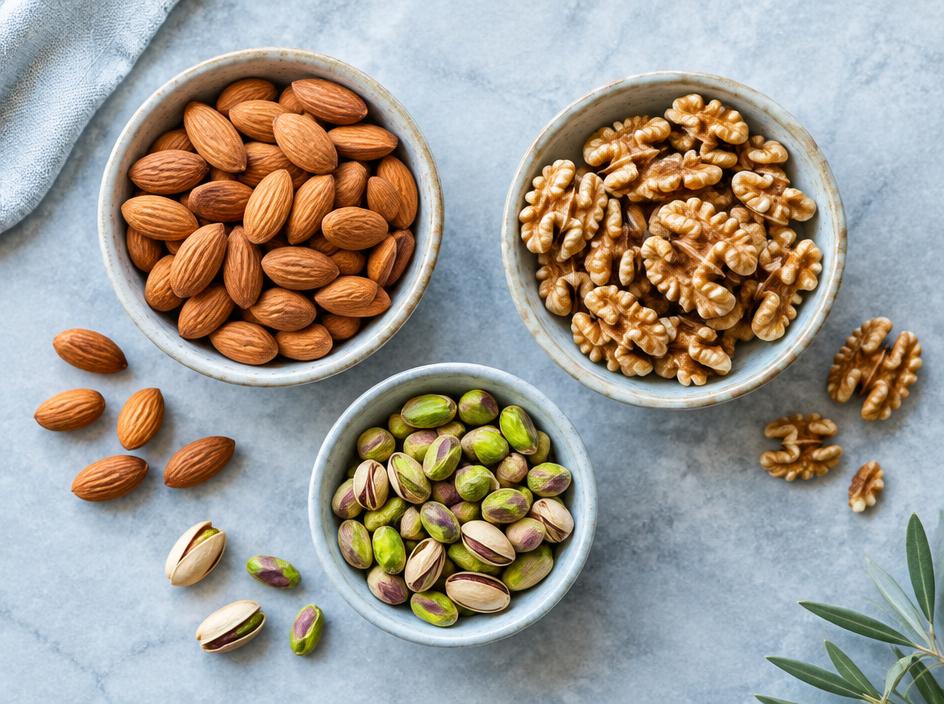
Unsalted almonds, walnuts and pistachios
#5
Unsaturated fats + fiber

Nuts

Why it may help

Almonds, walnuts and pistachios provide unsaturated fats, plant protein and fiber, especially useful when replacing saturated-fat-rich foods.

Average LDL change across trials

~4–5 mg/dL lower

The effect is generally modest and depends on what nuts replace in the diet.

Easy way to use it

Swap an unsalted handful for a highly processed snack rather than simply adding it on top.

See the Evidence+

What studies found

A large body of randomized trials finds a small average improvement in LDL cholesterol.

Studied amount

Median intake about 45.5 g/day across one pooled analysis

Typical duration

Several weeks or longer

Evidence quality

Moderate–high

Source

Effects of tree nuts on blood lipids, apolipoproteins, and blood pressure

Systematic review, meta-analysis and dose-response analysis of randomized trials · Reviewed 2026-09-23

Shop Nuts on Amazon

Affiliate link

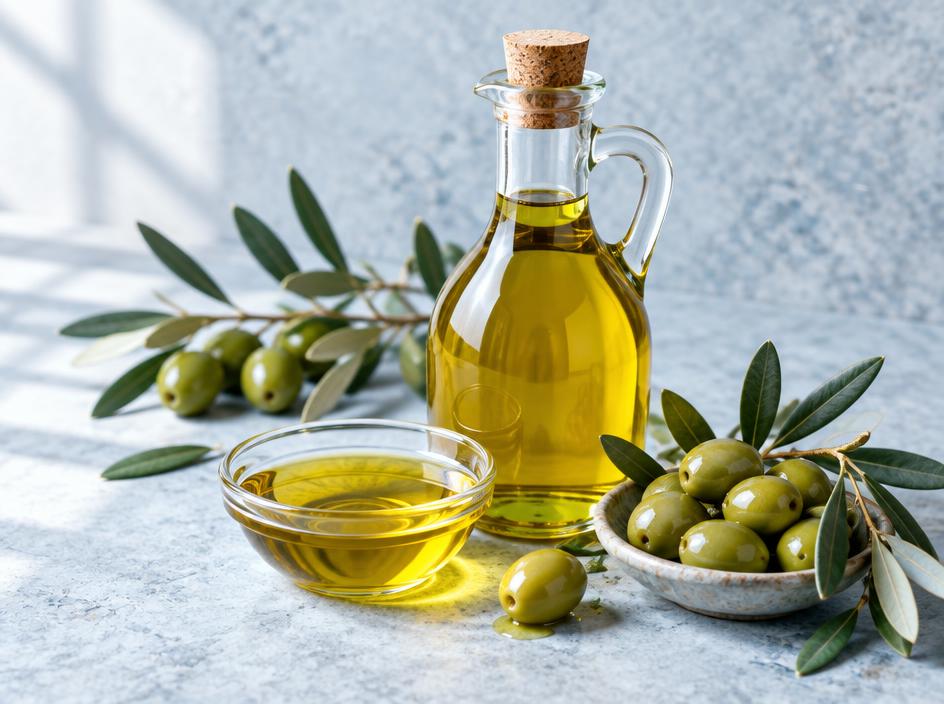
Extra-virgin olive oil with fresh olives
#6
Monounsaturated fat

Extra-virgin olive oil

Why it may help

Olive oil is predominantly monounsaturated fat. The key benefit is often the replacement: olive oil instead of butter or other saturated fats.

Typical effect seen in research

Varies by replacement

Simply adding olive oil to an otherwise unchanged diet may not produce the same effect.

Easy way to use it

Use it in place of butter for cooking or dressings if that matches your current experiment.

See the Evidence+

What studies found

LDL findings are mixed; its value is clearest when unsaturated fat replaces saturated fat.

Studied amount

Amounts varied substantially across trials

Typical duration

Commonly 3–12 weeks

Evidence quality

Low–moderate

Source

Effects of oils and solid fats on blood lipids: a systematic review and network meta-analysis

Systematic review and network meta-analysis · Reviewed 2026-09-23

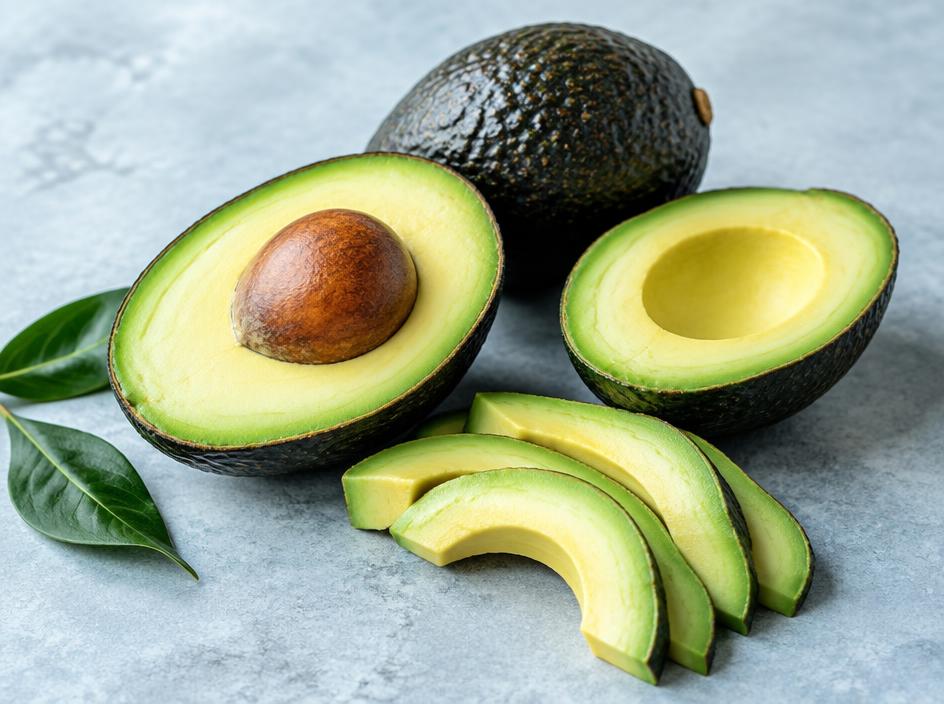
Fresh halved and sliced avocado
#7
Monounsaturated fats + fiber

Avocado

Why it may help

Avocados provide monounsaturated fats and fiber and can replace foods higher in saturated fat.

Typical effect seen in research

Modest; results vary

Meta-analyses suggest an LDL benefit, but the size differs substantially across studies.

Easy way to use it

Use avocado in place of cheese, butter or a creamy spread when it fits your experiment.

See the Evidence+

What studies found

Controlled-trial meta-analyses suggest a modest LDL reduction, with substantial variation among studies.

Studied amount

Commonly about one avocado daily in trials

Typical duration

Often 4–12 weeks

Evidence quality

Moderate

Source

Effect of avocado consumption on cardiovascular disease risk factors

Systematic review and meta-analysis of controlled trials · Reviewed 2026-09-23

Add this to your grocery list
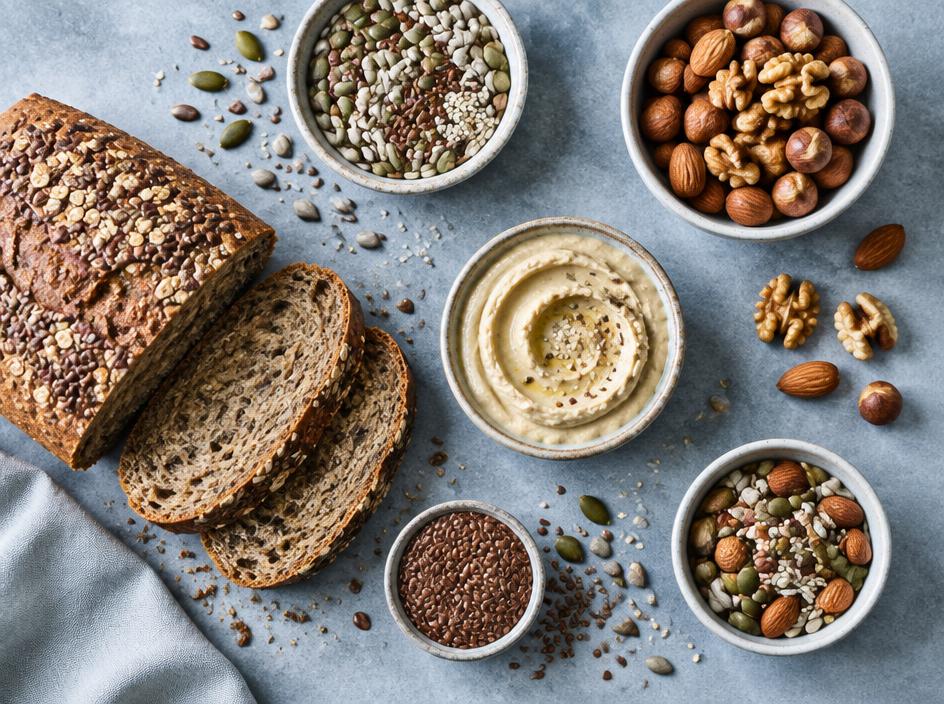
Whole-grain foods, nuts and seeds
#8
Plant sterols and stanols

Plant sterol & stanol foods

Why it may help

Plant sterols and stanols reduce intestinal cholesterol absorption.

Typical research range

~5–10% lower LDL

Many studies used foods providing about 2 g/day. Product labels matter because amounts vary.

Easy way to use it

Only choose a fortified food that clearly states a meaningful sterol or stanol amount; avoid unsupported products.

See the Evidence+

What studies found

A large randomized-trial evidence base shows a dose-related LDL reduction at commonly studied intakes.

Studied amount

Approximately 2 g/day in many studies

Typical duration

Usually 4–6 weeks or longer

Evidence quality

High

Source

LDL-cholesterol-lowering effect of plant sterols and stanols across different dose ranges

Meta-analysis and dose-response analysis of randomized controlled trials · Reviewed 2026-09-23

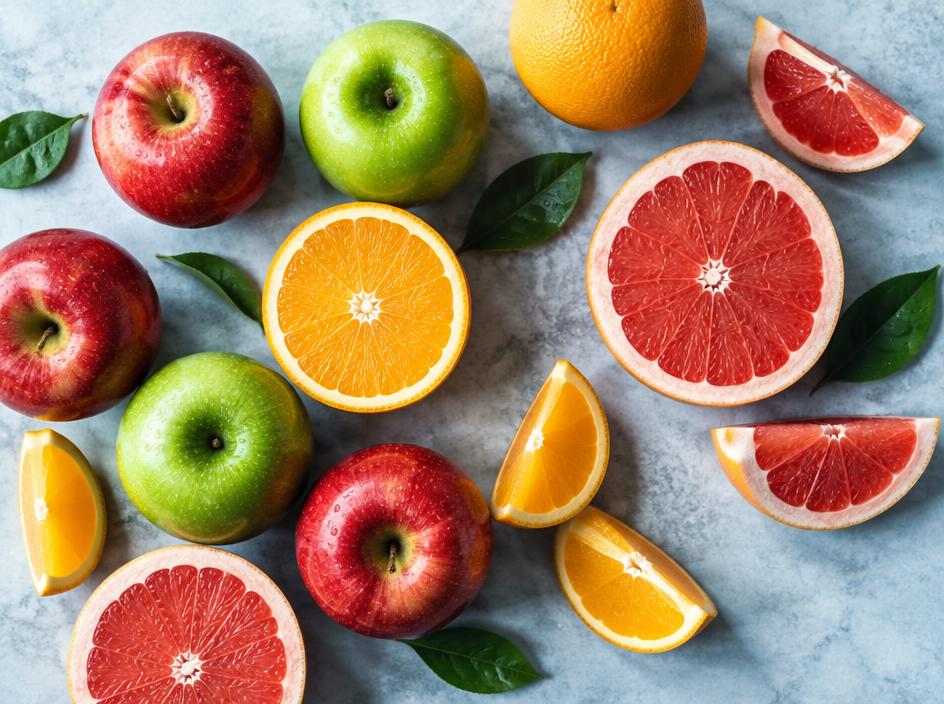
Fresh apples, oranges and grapefruit
#9
Pectin-rich soluble fiber

Apples & citrus

Why it may help

Apples and citrus contain pectin and contribute to an overall soluble-fiber-rich eating pattern.

Research takeaway

Part of a soluble-fiber-rich diet

Evidence for purified pectin does not translate into a guaranteed percentage from an individual apple or orange.

Easy way to use it

Keep whole fruit visible and easy to grab; choose it in place of a highly processed snack.

See the Evidence+

What studies found

Soluble fiber including pectin can support modest LDL improvements, while effects from a specific whole fruit are harder to quantify.

Studied amount

Purified-pectin trials do not represent an exact whole-fruit serving

Typical duration

Often 3–4 weeks in purified-pectin trials

Evidence quality

Low–moderate

Add this to your grocery list
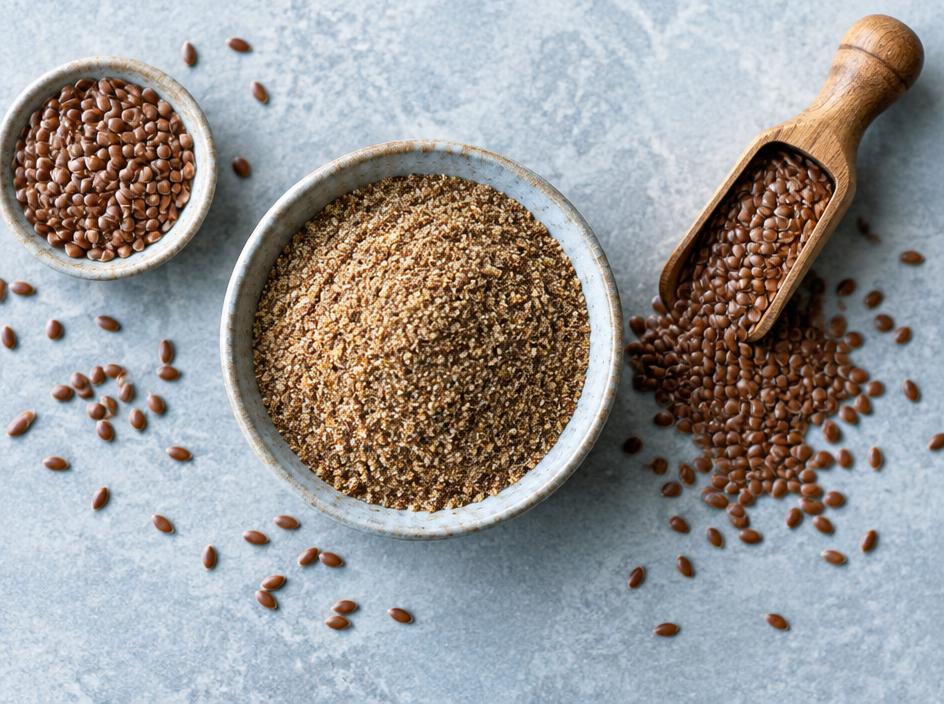
Ground and whole brown flaxseed
#10
Soluble fiber + unsaturated fats

Ground flaxseed

Why it may help

Flaxseed provides soluble fiber, plant compounds and unsaturated fats that may support a healthier lipid profile.

Typical effect seen in research

Modest LDL reduction

The magnitude varies by the flax form, population and starting cholesterol.

Easy way to use it

Choose plain ground flaxseed rather than a sweetened blend and keep it as one consistent change.

See the Evidence+

What studies found

Meta-analyses find modest lipid improvements, with effects differing across whole seed, lignan and oil preparations.

Studied amount

Whole or ground flax amounts varied across trials

Typical duration

From 4 weeks to several months

Evidence quality

Moderate

Source

Meta-analysis of the effects of flaxseed interventions on blood lipids

Systematic review and meta-analysis of randomized controlled trials · Reviewed 2026-09-23